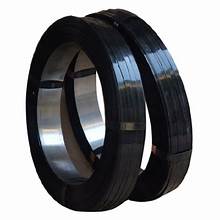


Steel Binding Strip: Uses, Benefits, Types, and Buying Guide
Steel binding strip is a strong and reliable packaging material used to secure heavy loads during storage, handling, and transportation. Industries dealing with metal products, construction materials, timber, machinery, and other heavy goods often depend on steel strapping because of its high tensile strength and excellent load stability.
Choosing the right binding material is essential when products need protection against movement, impact, or shifting during transportation. Steel strips provide the durability required for demanding industrial packaging applications where lighter packaging materials may not offer sufficient strength.
What Is a Steel Binding Strip?
A steel binding strip is a narrow strip of high-strength steel designed for bundling, fastening, and securing heavy or rigid products. It is commonly wrapped around goods and tightened using manual, pneumatic, or automatic strapping tools.
Unlike plastic strapping, steel packaging strips can withstand extremely high tension without stretching excessively. This makes them particularly useful for materials that are heavy, sharp-edged, compressed, or likely to shift during transportation.
Steel binding is commonly available in different widths, thicknesses, tensile strengths, and surface finishes to suit different packaging requirements.
Why Is Steel Binding Strip Used in Industrial Packaging?
Industrial loads can experience vibration, pressure, impact, and sudden movement while being transported. Secure packaging helps prevent products from separating or becoming damaged.
Steel strapping provides strong load containment and keeps bundled products firmly together. Its high breaking strength makes it suitable for securing materials that require greater tension than polypropylene or polyester strapping can typically provide.
A properly applied steel strip can also help maintain the shape and stability of a load throughout the supply chain.
Key Benefits of Steel Binding Strip
High Tensile Strength
One of the biggest advantages of steel strapping is its exceptional tensile strength. It can handle heavy loads and maintain high tension, making it suitable for demanding industrial packaging applications.
Excellent Load Stability
Steel binding helps keep products tightly bundled together. This reduces unwanted movement during loading, unloading, storage, and transportation.
Stable loads are easier to handle and can also reduce the risk of product damage.
Resistance to Sharp Edges
Products such as metal sheets, pipes, construction materials, and fabricated steel components may have sharp or rough edges.
Steel strapping is more resistant to cutting and abrasion than many plastic alternatives, making it suitable for these challenging packaging conditions.
Suitable for Heavy-Duty Applications
Heavy machinery components, steel coils, timber, bricks, and industrial equipment require packaging materials capable of handling considerable weight.
A high-quality steel binding strip offers the strength required to secure these products effectively.
Reliable Performance
Steel strapping provides consistent holding strength when correctly tensioned and sealed. This reliability is important for manufacturers, warehouses, logistics companies, and exporters transporting valuable industrial goods.
Common Applications of Steel Binding Strip
Steel binding strips are used across numerous industries because of their strength and versatility.
Metal and Steel Industry
Steel coils, metal sheets, rods, pipes, and fabricated components are frequently bundled using steel strapping.
The high strength of the strap helps prevent metal products from shifting or separating during transportation.
Construction Materials
Heavy building materials such as bricks, concrete products, pipes, and structural components often require strong industrial strapping.
https://sonasatrading.com/prod....uct/nylon-metal-bind