
Earwax Removal is an important part of ear care that many people overlook. Earwax, also called cerumen, is naturally produced in your ear canal. Many think it is dirty, but it is actually very useful. Earwax traps dust, dirt, and bacteria, keeping your ears clean and safe. It also moisturizes the ear canal and prevents itching, infections, or dryness.
Sometimes, earwax builds up and hardens. When this happens, it can cause discomfort, hearing loss, ringing, or dizziness. At that point, Earwax Removal becomes necessary. Many people try unsafe methods like cotton swabs, pins, or ear candles, which can harm the ears. Learning safe, simple, and natural ways to remove earwax is essential.
This article explains everything about Earwax Removal in very simple language. You will learn what earwax is, signs of buildup, safe home and professional removal methods, mistakes to avoid, and tips to prevent future problems. By the end of this guide, you will know how to take care of your ears safely.
Understanding Earwax and Its Natural Purpose
Earwax is a natural substance produced by glands in your ear canal. Many people mistakenly think earwax is dirt, but it has an important purpose. Earwax traps dust, germs, and small particles, preventing them from reaching the inner ear. It also keeps the ear canal moist, preventing itching, irritation, or infections.
The ear has a natural cleaning system. Movements like talking, chewing, and yawning help push earwax from the inner ear toward the outer ear. Once it reaches the outer ear, it dries and naturally falls off. This is the body’s natural form of Earwax Removal.
Problems happen when wax builds up too much, becomes hard, or is pushed deeper by cotton swabs or earbuds. Some people naturally produce more wax than others. Blocked wax can cause hearing issues, itching, discomfort, and even dizziness.
Understanding the purpose of earwax helps you know when to leave it alone and when to remove it. Only attempt Earwax Removal if you experience symptoms like blockage, discomfort, or hearing loss. Removing healthy wax unnecessarily can make the ear more vulnerable to infection.
Recognizing Common Symptoms of Earwax Blockage
Recognizing the signs of earwax buildup is important. Wax does not block the ear immediately—it builds up over time. A common symptom is a feeling of fullness or pressure in the ear, like something is stuck inside. This may become noticeable while chewing, talking, or using earphones.
Hearing problems are another clear symptom. Wax blocks sound from reaching the eardrum, causing muffled hearing. People often increase the volume of their devices without realizing wax is the cause. Earwax Removal in such cases usually restores hearing quickly.
Itching inside the ear canal is common. Dry or hard wax irritates sensitive skin. Some people also experience mild pain or ringing, called tinnitus, when wax presses on the eardrum.
Severe cases may include dizziness or imbalance. The ear not only helps with hearing but also with balance. Water trapped behind wax after swimming can worsen blockage.
Other signs include bad odor or frequent ear infections. Identifying these symptoms early ensures safe and effective Earwax Removal. Ignoring them or using unsafe methods may worsen the problem. Awareness is the first step in proper ear care.
Safe Home Methods for Earwax Removal
Mild earwax buildup can be treated safely at home. One of the simplest methods is using warm water. Fill a bulb syringe with lukewarm water and gently flush the ear while tilting your head. Let the water sit for a few seconds to soften the wax, then tilt your head the other way to drain it.
Natural oils like olive oil, coconut oil, or almond oil are effective. Warm the oil slightly and put a few drops in your ear. Let it sit for a few minutes or overnight. Oils soften hardened wax, which naturally comes out over a few days.
Over-the-counter ear drops are also available. They often contain mineral oil, glycerin, or hydrogen peroxide to safely soften wax. Follow instructions carefully.
Some methods should be avoided. Cotton swabs, pins, hairpins, or paper clips can push wax deeper, injure the ear canal, or perforate the eardrum. Ear candling is extremely unsafe.
Home Earwax Removal is effective only for mild wax. If you feel pain, dizziness, bleeding, or discharge, stop home methods immediately and see a doctor. Gentle care is key to safe ear cleaning.
Professional Earwax Removal Techniques
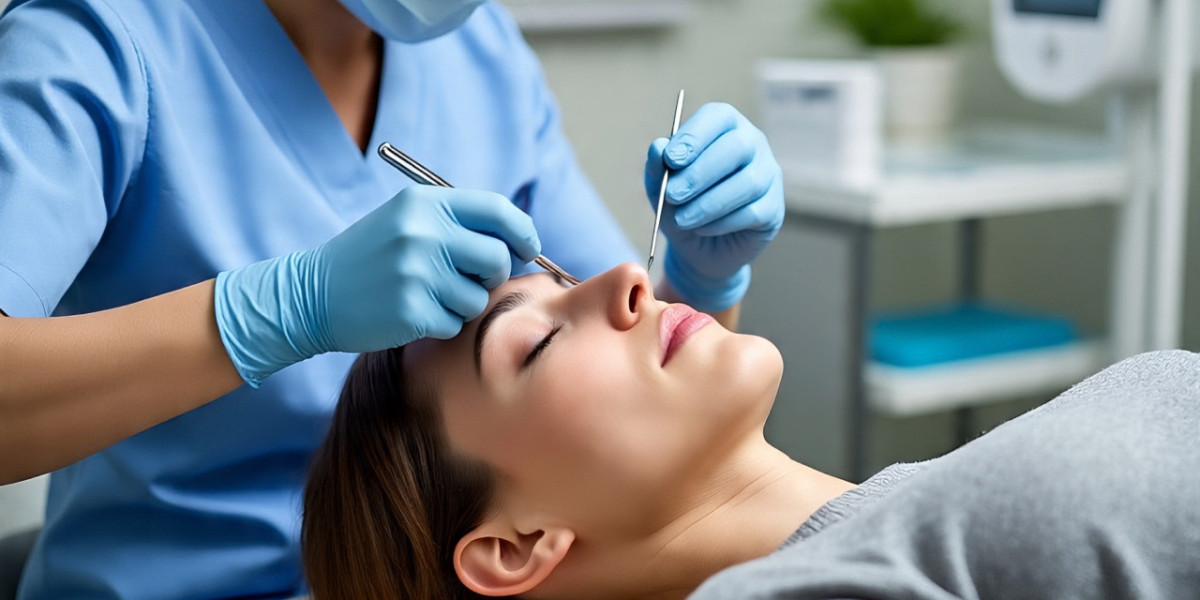
When wax is hard, deep, or recurring, professional Earwax Removal is safest. Doctors have the tools and expertise to clean ears safely without harming the eardrum or canal.
Irrigation is common, where controlled warm water is flushed into the ear to remove wax. Professional irrigation uses the right pressure, unlike home attempts.
Manual removal is another technique. Doctors use curettes or fine instruments to carefully scoop out wax under observation. Microsuction is popular, using a tiny vacuum while the doctor watches under a microscope.
Professional removal is recommended for children, elderly people, and those using hearing aids. Doctors also check for infections or injuries before cleaning.
Regular professional cleaning prevents recurrent blockages, improves hearing, and avoids complications. It is far safer than risky home methods, especially for sensitive ears or pre-existing ear problems.
Common Mistakes to Avoid During Earwax Removal
Many people unintentionally worsen their earwax problem. Using cotton swabs is the most common mistake. They often push wax deeper and may injure the ear canal or eardrum.
Inserting pins, hairpins, or paperclips is extremely risky. These can scratch the ear canal, damage the eardrum, and cause infection. Ear candling is also unsafe; it can burn the ear or leave candle wax inside.
Over-cleaning is another mistake. Removing too much wax strips the protective barrier, making the ear prone to dryness and infection. Excessive water, hot oils, or strong irrigation can irritate or damage the ear.
Ignoring pain, bleeding, or discharge is dangerous. Attempting removal in such cases can worsen problems.
Avoiding these mistakes ensures safe Earwax Removal. Gentle care and professional guidance prevent complications and protect ear health.
Tips to Prevent Earwax Buildup Naturally
Preventing earwax buildup is easier than repeated removal. Avoid inserting objects into your ears. Cotton swabs, pins, or earbuds pushed too far can block wax or injure the canal.
Let your ears clean themselves naturally. Your body moves wax outward efficiently. For those producing excess wax, occasional oil drops keep wax soft.
Keep ears dry after swimming or bathing. Tilt your head to remove water and gently wipe the outer ear.
Clean earphones and hearing aids regularly. Dirty devices can transfer dust and bacteria, increasing wax buildup. Avoid wearing earphones for long periods.
Hydration and a balanced diet help maintain ear health. Dry skin can increase wax production.
Routine medical checkups are recommended for those with frequent ear problems. Early examination prevents major blockages and ensures healthy ears.
Conclusion
Earwax Removal is necessary when wax causes blockage, discomfort, or hearing problems. Earwax is natural and protective, but excessive buildup can affect hearing, balance, and comfort. Safe home methods, professional treatments, and preventive measures are key to maintaining ear health. Avoid unsafe tools, recognize symptoms early, and seek professional help when needed. With gentle care, your ears stay healthy, clean, and fully functional.
Frequently Asked Questions (FAQ)
1. Is earwax normal?
Yes, earwax is natural and protects the ear from dust, germs, and dryness.
2. Can I clean my ears daily?
No, daily cleaning is unnecessary. Only clean if blockage or discomfort occurs.
3. Are cotton swabs safe?
No, cotton swabs push wax deeper and can injure the ear canal or eardrum.