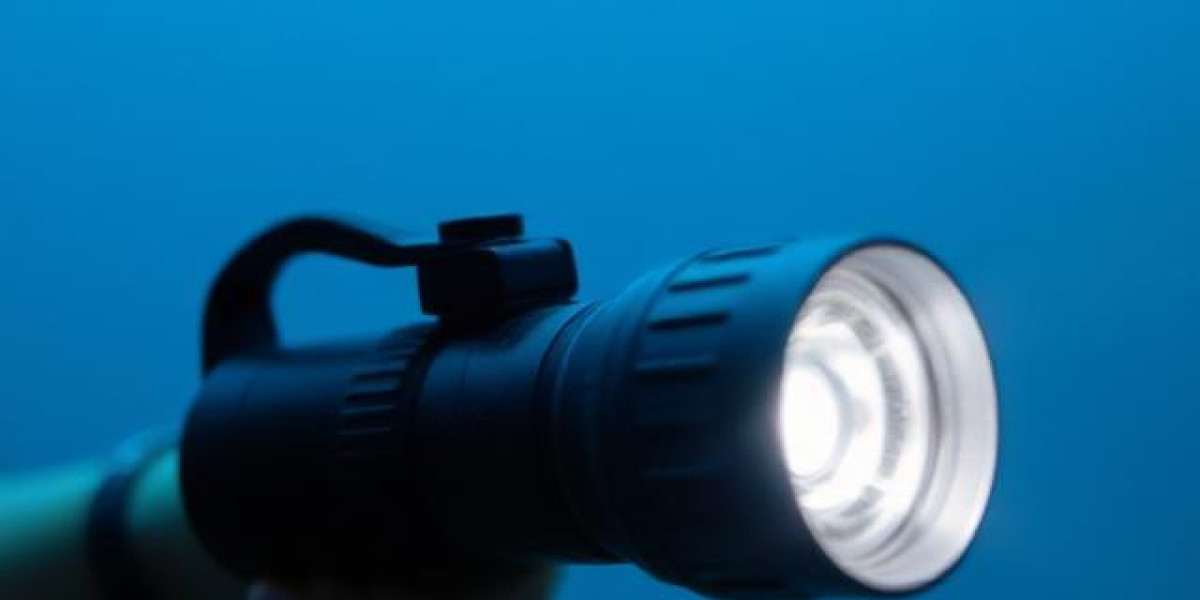

A diving flashlight is one of the most important tools for anyone who loves exploring the underwater world. Whether you are a beginner diver, a snorkeler, a night diver, or someone who enjoys underwater photography, a diving flashlight plays a huge role in improving your experience. When we go underwater, sunlight becomes weak very quickly. Colors like red, yellow, and orange disappear after a few meters. The deeper you go, the darker everything becomes. Without a proper diving flashlight, everything looks dull, unclear, and confusing.
A diving flashlight is designed specially for underwater use. It is waterproof, strong, and bright enough to work even in the darkest parts of the sea. It also helps divers see underwater life in natural colors. With a diving flashlight, you can clearly see fish, corals, rocks, and other marine creatures that would otherwise remain hidden. A good diving flashlight also increases your safety. You can avoid dangerous objects, understand your surroundings, and communicate with your dive partner easily.
In this article, we will explore everything about a diving flashlight in very simple language. You will learn why it is important, what types are available, what features matter, how to choose one, how to maintain it, and why every diver must carry it. The whole article is written using the keyword Diving Flashlight naturally to ensure strong SEO performance. The content is designed to feel human, smooth, and easy to read. Let’s dive into the details and understand this essential gear better.
Importance of Using Diving Flashlight
The importance of using a diving flashlight becomes obvious as soon as you go underwater. Light behaves very differently underwater compared to on land. Water absorbs light quickly, especially warm colors. That is why everything below the surface looks blue or green. If you want to see real colors underwater, you must use a diving flashlight. It brings back natural shades of red, orange, and yellow, making the underwater world look alive and beautiful.
Safety is another major reason why a diving flashlight is necessary. Underwater visibility can drop suddenly, especially during cloudy weather, in deeper areas, or in places filled with sand or particles. A diving flashlight helps you see clearly, identify objects, and understand the path ahead. This is extremely important during night dives, cave dives, or wreck dives where natural light cannot reach.
A diving flashlight also helps in underwater communication. Divers often use light signals to talk to each other. A strong beam can help indicate directions, call for attention, or warn about any danger. Without a proper diving flashlight, staying connected underwater becomes difficult.
In addition, a diving flashlight is helpful for underwater photography. Photos taken without proper lighting often look flat, dull, and colorless. With a diving flashlight, you can capture bright, sharp, and colorful images. Many divers use their flashlight to find small marine life hidden in cracks or corners.
Overall, the importance of a diving flashlight lies in visibility, safety, communication, photography, and enjoyment. No matter what type of diving you do, a reliable diving flashlight is always essential.
Different Types of Diving Flashlights
There are several types of diving flashlights, and each one serves a unique purpose. Understanding these types will help you select the right tool for your underwater adventures. The first type is the primary diving flashlight, which is usually the brightest and strongest. It offers a wide beam, long battery life, and high durability. Divers use this for night dives, deep dives, and long underwater explorations.
The second type is the secondary or backup diving flashlight. It is smaller and lighter than the primary one. Divers carry this as a safety measure. If the main flashlight stops working, the backup flashlight ensures you are never left in darkness. Even though backup flashlights are smaller, they are reliable and provide enough light for short-term use.
Another type is the diving flashlight for photography and videography. These lights are designed to spread light evenly. They do not create harsh shadows or bright spots, which is important when capturing underwater footage. These flashlights usually have wide beams and steady brightness levels.
There are also canister diving flashlights, which are used in technical diving, cave diving, and long underwater projects. These come with an external battery canister connected by a cable. They provide extremely high brightness and long running time.
Finally, we have headlamp-style diving flashlights, which allow divers to keep their hands free. These are useful when you need to examine objects, swim through narrow spaces, or hold tools while diving.
Every type of diving flashlight has its strengths. Choosing the right one depends on your purpose, style of diving, and the environment you explore.
Key Features of a Good Diving Flashlight
A good diving flashlight must have several important features to perform well underwater. One of the main features is brightness, which is measured in lumens. Higher lumens mean a brighter beam. For general diving, 1000–2000 lumens is often enough, while caves or deep dives may require even more. But brightness alone is not enough. A useful diving flashlight should also have a focused or wide beam depending on the type of dive. A narrow beam helps you see far distances, while a wide beam illuminates large areas.
Another key feature is the waterproof rating. Not all waterproof flashlights can handle underwater pressure. A real diving flashlight should have at least an IPX8 rating or a depth rating clearly mentioned. This ensures it works properly even at deeper levels.
Battery performance is also important. Many modern diving flashlights use rechargeable lithium-ion batteries, which last longer and charge quickly. Some flashlights offer multiple brightness levels, helping you save battery during long dives.
The build quality of the flashlight also matters. A strong diving flashlight is usually made of aircraft-grade aluminum or high-quality plastic. It should resist corrosion because saltwater can damage weak materials. The design must include a strong grip, easy-to-use buttons, and a strong lens that doesn’t scratch easily.
A good diving flashlight should also include safety features, such as low-battery indicators, overheating protection, and a simple locking system that prevents accidental switching.
By checking these features carefully, you can choose a diving flashlight that performs well and lasts long.
How to Choose the Best Diving Flashlight
Choosing the best diving flashlight depends on the type of diving you do. The best starting point is to identify your purpose. If you mostly dive during the day, you may only need a medium-brightness flashlight. But for night dives, cave dives, or deep dives, you will need a strong primary flashlight with high lumens and long battery life.
Next, think about the beam type. A narrow beam is suitable for long-distance focus, while a wide beam is better for exploring large areas or filming underwater scenes. Some diving flashlights offer adjustable beams, giving you more flexibility.
You should also consider the battery life. Long dives require flashlights with strong batteries. It is better to choose a diving flashlight with a rechargeable battery instead of disposable batteries because they last longer and are more cost-effective.
The depth rating of the flashlight is another important factor. If you often dive deeper than 30 meters, choose a diving flashlight that is rated for at least 50 meters. This ensures it can handle underwater pressure safely.
Finally, check the build quality and brand reputation. Well-known brands provide better performance, strong materials, and reliable customer support. Always read reviews and feedback before choosing a diving flashlight.
Taking these points into consideration ensures that you select the best diving flashlight for your underwater journeys.
Maintenance Tips for Diving Flashlight
Maintaining your diving flashlight properly is the key to long life and dependable performance. After every dive, rinse the flashlight with fresh water. Saltwater can damage metal parts and rubber seals if left unwashed. Hold the flashlight under running fresh water for a few minutes and wipe it dry with a soft cloth.
Another important maintenance step is checking the O-rings, which keep the flashlight waterproof. These small rubber rings protect the internal parts from water. If they are cracked, dry, or damaged, the flashlight may leak. Always apply a small amount of silicone grease to keep the O-rings flexible.
Battery care is also essential. Do not leave the battery inside the flashlight for long periods. Charge the battery properly and avoid overcharging it. If you are storing the diving flashlight for a long time, charge it at least once a month.
Inspect the lens regularly. A scratched or dirty lens reduces brightness. Clean it gently using a soft cloth. Also, avoid dropping the flashlight because strong impacts can damage internal circuits.
Good maintenance ensures your diving flashlight stays bright, reliable, and ready for every dive.
Why Every Diver Needs a Diving Flashlight
Every diver must carry a diving flashlight because underwater conditions are unpredictable. Even in clear water, visibility decreases as you go deeper. A diving flashlight helps you see objects clearly, stay safe, and enjoy your underwater experience. It also restores natural colors, allowing you to see the true beauty of marine life.
A diving flashlight is essential for night dives, wreck dives, and cave explorations. Without one, these dives are unsafe and nearly impossible. Divers also use light signals to communicate underwater. A quick flash of light can help you alert your dive partner, show direction, or signal danger.
Carrying a diving flashlight also means being prepared for emergencies. Even if your dive starts in bright daylight, sudden weather changes or underwater shadows can make visibility poor. A reliable diving flashlight ensures you never feel lost or uncomfortable.
For photographers and videographers, a diving flashlight is necessary to capture sharp and colorful images. It improves the quality of footage and helps you spot subjects easily.
In simple words, a diving flashlight gives confidence, safety, and clarity. Every diver, beginner or expert, should always carry one.
Conclusion
A diving flashlight is an essential part of safe and enjoyable underwater exploration. It improves visibility, restores colors, helps in communication, and enhances underwater photography. Choosing the right diving flashlight depends on brightness, beam type, battery life, depth rating, and build quality. With proper care and maintenance, a diving flashlight can last for years and support you in every dive. Whether you dive for fun, adventure, or professional work, a reliable diving flashlight is your best underwater partner.
FAQs About Diving Flashlight
1. What is a diving flashlight?
A diving flashlight is a waterproof, durable light made specially for underwater use.
2. Why do I need a diving flashlight?
It improves visibility, safety, communication, and underwater color clarity.