
The landscape of security is evolving rapidly. With the rise in urban crime, a surge in remote work arrangements, and the integration of smart technologies in commercial environments, the need for advanced security solutions has never been more urgent. Businesses, large and small, are recognizing the importance of protecting their premises—not just with traditional locks, but through intelligent access control systems.
Whether you’re managing a retail store, a corporate office, or a high-traffic property like a fueling station, the role of access control is now central to risk management. For example, many companies are integrating gas station security cameras into their access control strategies, combining visual monitoring with restricted entry points for maximum safety.
Why Modern Access Control Matters
Access control systems have advanced well beyond simple swipe cards or lock-and-key setups. Today’s solutions incorporate biometrics, mobile authentication, and cloud-based management platforms. These modern tools allow for real-time tracking, role-based access, and flexible remote configurations.
For businesses dealing with sensitive data, high employee turnover, or 24/7 operations, the ability to restrict and monitor entry is essential. More importantly, these systems act as a deterrent to internal theft, unauthorized visitors, and break-ins.
Key Components of Modern Access Control Systems
Biometric Access
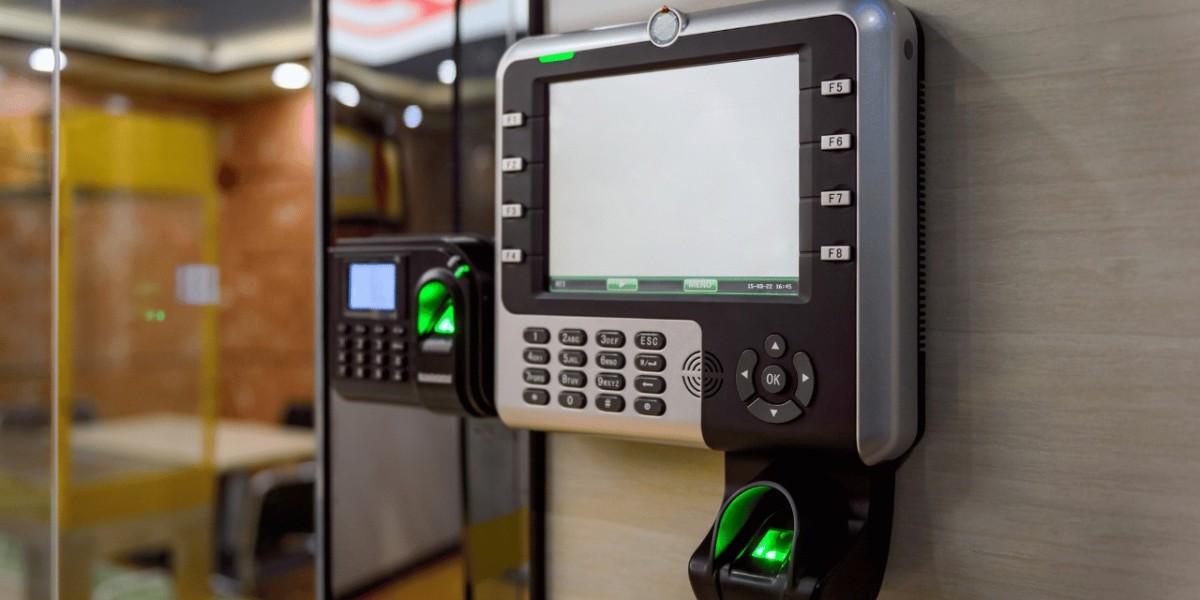
Fingerprint and facial recognition systems add a layer of identity verification that is hard to replicate. This minimizes the risk of access credentials being stolen or shared.
Key Fob and Card Readers
While older, these technologies remain reliable when integrated with modern software platforms. They are commonly used in multi-tenant buildings and offices.
Mobile Access Solutions
Apps that control entry permissions are becoming increasingly popular, especially for hybrid workplaces. These allow property managers to grant or revoke access instantly.
Video Surveillance Integration
Integrating surveillance with access control offers double-layered security. Gas station security cameras, for example, are often synced with entry logs to verify who accessed which areas and when.
Benefits of Access Control Systems
Improved Safety
By limiting access to authorized individuals only, businesses reduce the likelihood of incidents ranging from theft to physical harm. Critical zones, such as cash-handling rooms or server centers, can be sealed off from general access.
Operational Efficiency
Access records help with time tracking and visitor logs. Automated systems reduce the need for physical guards and manual monitoring.
Compliance and Liability
Industries like healthcare and finance are subject to strict regulatory requirements. Access control systems help ensure compliance by offering audit trails and secure data handling.
Scalability
Modern platforms allow for expansion—be it adding more users, integrating new devices, or even connecting remote locations to a centralized security hub.
Access Control vs. Traditional Security Methods
While traditional security methods such as padlocks and physical guards still have their place, they fall short in agility and accountability. Access control systems, on the other hand, offer:
Real-time alerts and monitoring
Remote management capabilities
Integrated reports and logs
Enhanced employee safety and control
Many gas stations are opting to move away from basic CCTV systems and implement gas station security cameras integrated with door controls and alarms. This setup not only protects the premises but also acts as a record-keeping system in case of disputes or incidents.
The Cost of Security: Investment and Value
A major concern for businesses is cost. Access control systems range in price based on features, number of users, and installation complexity. While it may seem like a hefty upfront investment, the long-term value is substantial.
A basic card-based access system might cost a few thousand dollars, while a cloud-based biometric system could be more. The real value, however, lies in loss prevention, compliance, and peace of mind. Businesses that install gas station security cameras alongside their access control system often report lower theft incidents and more streamlined operations.
Remember, investing in modern security is not just about protecting assets—it's about creating a safe environment for your team, clients, and visitors.
Choosing the Right System for Your Business
Every business has different security needs. Here are a few considerations when choosing a system:
Size and Layout of Property
Large or multi-site operations may require cloud-based or networked systems, while smaller setups can use on-premise controls.
Number of Users
Scalable systems are crucial if you anticipate growth or frequent employee changes.
Industry Regulations
Certain sectors require audit logs, visitor authentication, or higher-level encryption.
Integration Potential
Choose a system that can integrate with fire alarms, surveillance, or even smart lighting. This synergy boosts your overall safety protocol.
Real-World Applications: Retail, Industrial, and Fueling Stations
Modern access control systems are widely used across industries:
Retail Stores: To protect stockrooms, manage staff access, and monitor off-hours entry.
Industrial Facilities: To secure sensitive areas like chemical storage or machinery rooms.
Gas Stations: To control employee access to back offices, sync gas station security cameras for real-time visual logs, and ensure customer safety.
In high-risk or high-traffic environments, the combination of cameras and smart access systems is proving to be the gold standard.
Conclusion
In a world where security threats are constantly evolving, businesses can no longer rely on outdated methods. Modern access control systems offer more than just locks and keys—they offer visibility, accountability, and peace of mind. Whether you’re running a corporate office or operating a 24/7 fueling station, integrated solutions like gas station security cameras and smart access points will help you stay one step ahead of potential risks.
For businesses looking to upgrade their surveillance and access infrastructure in the GTA, Security Camera Installation Markham is an excellent starting point for dependable and professional service.
FAQs
1. How much does it cost to install a basic access control system?
Prices typically range from $1,000 to $5,000 depending on the complexity and number of access points.
2. Can gas station security cameras be connected to access control systems?
Yes, many modern systems allow for integration, enabling video verification and real-time alerts.
3. What are the key benefits of biometric access systems?
They offer enhanced security through identity verification and reduce the risk of credential sharing.
4. Is cloud-based access control secure?
Yes, if configured correctly with encryption and multi-factor authentication, cloud systems are highly secure and scalable.
5. How long does installation take?
A standard installation can take anywhere from a few hours to a couple of days, depending on system size and site complexity.