
Commercial Waste Management: Designing Sustainable Systems for Modern Businesses
Commercial waste management has become an essential part of how businesses operate responsibly in today’s urban environments. As companies expand and cities grow denser, the volume and complexity of commercial waste continues to increase. Offices, retail locations, restaurants, and multi-tenant buildings generate a wide range of materials every day, from paper and packaging to food scraps and residual waste. Managing this flow effectively is critical for maintaining clean spaces, reducing environmental impact, and supporting long-term sustainability.
Rather than treating waste as an afterthought, forward-thinking businesses view waste management as a structured system—one that supports daily operations while aligning with environmental goals.
The Operational Importance of Commercial Waste Management
In commercial settings, waste is generated continuously and often by many people using shared spaces. Without clear systems, waste quickly becomes disorganized, leading to contamination, overflow, and inefficiency. Poor waste handling can disrupt operations, increase cleaning demands, and create unpleasant environments for employees and visitors.
Effective commercial waste management brings order to this process. It establishes predictable routines for sorting, collection, and handling, allowing businesses to focus on their core operations while waste is managed consistently and responsibly.
Structuring Waste Streams for Clarity
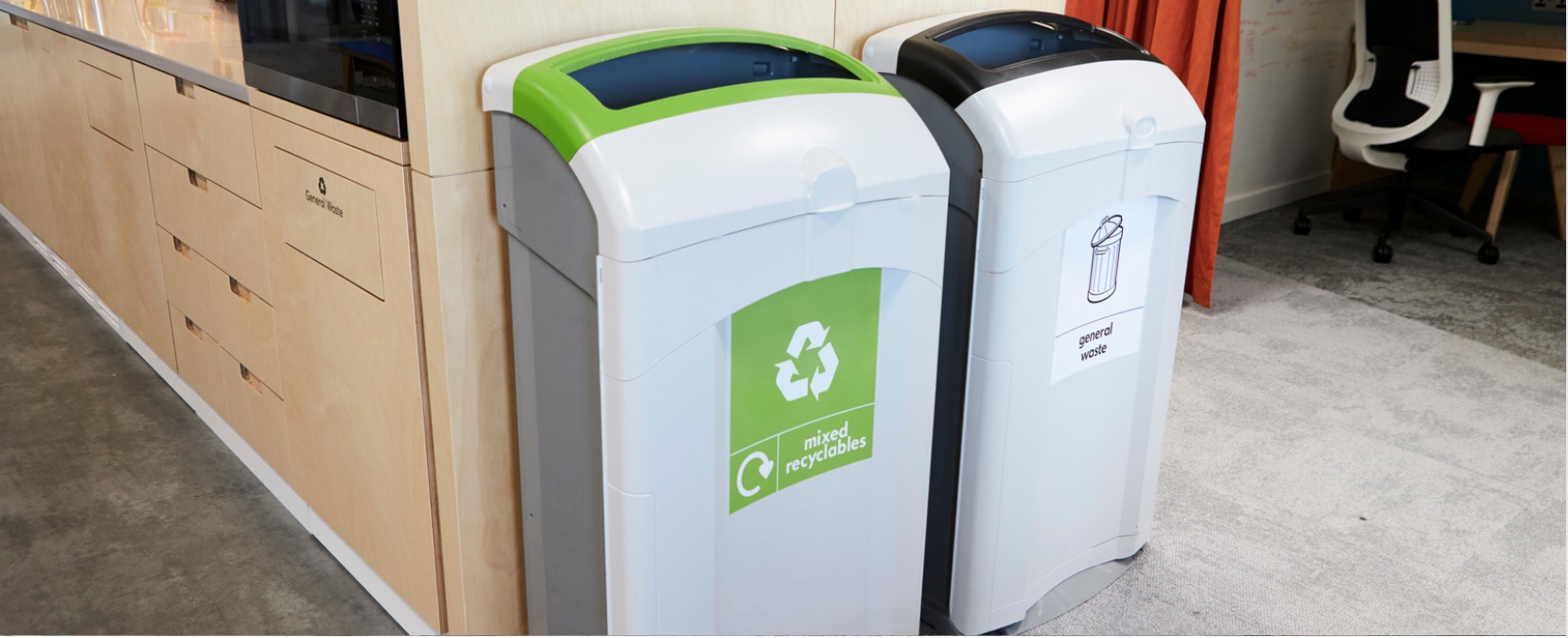
A successful commercial waste program begins with clearly defined waste streams. Recycling, organics, and landfill materials must each have their own designated space and purpose. When waste streams are clearly separated, materials are more likely to be diverted correctly rather than ending up in landfill.
Clarity is key. Simple signage, consistent bin colors, and logical placement help people make quick and correct decisions. When systems are easy to understand, compliance improves without the need for constant oversight.
Reducing Landfill Reliance Through Better Sorting
Landfill waste represents lost opportunity. Many materials sent to landfill could be recycled or composted if proper systems were in place. Commercial waste management focuses on reducing landfill dependency by improving sorting practices and expanding diversion programs.
Organics diversion is particularly impactful. Food scraps and compostable materials make up a significant portion of commercial waste, especially in workplaces with kitchens or food services. Composting these materials reduces greenhouse gas emissions and supports soil regeneration, turning waste into a resource rather than a liability.
Recycling Systems That Actually Work
Recycling in commercial spaces often struggles due to contamination. Items placed incorrectly—such as food-soiled containers or non-recyclable materials—can compromise entire recycling loads. This not only reduces diversion rates but can also discourage participation.
Effective recycling systems prioritize simplicity and consistency. Visual cues, standardized bin setups, and placement near workstations and common areas all help reduce mistakes. When recycling is easy and intuitive, people are more likely to participate correctly.
Waste Rooms as Part of the System
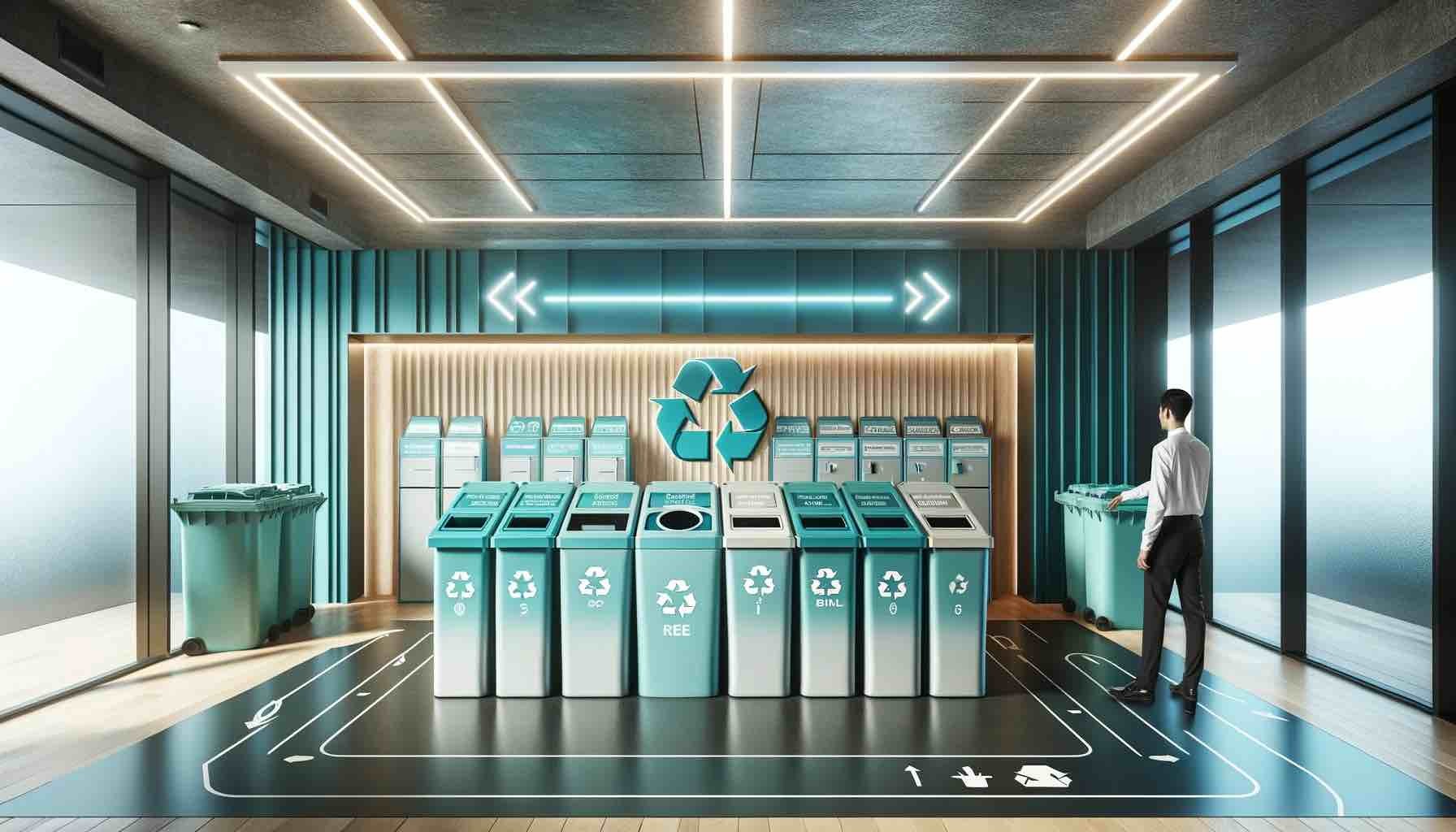
Waste rooms are a critical but often overlooked part of commercial waste management. These spaces act as the final checkpoint before waste leaves the building. If waste rooms are cluttered or poorly organized, even well-designed sorting systems can fail.
A functional waste room includes clearly marked areas for each waste stream, sufficient space for maneuvering bins, and regular maintenance. Clean, organized waste rooms support proper handling and reduce safety risks for staff.
Measuring Waste to Improve Outcomes
Understanding waste generation is key to improving performance. Waste audits and tracking provide insight into what materials are being discarded and where inefficiencies exist. This information allows businesses to refine their waste systems and make informed decisions.
By using data to guide improvements, commercial waste management becomes a continuous process rather than a static setup. Over time, this leads to higher diversion rates, better resource use, and measurable environmental progress.
visit us : https://www.growingcity.com/service/commercial