Building a Network of Changemakers for India’s Learning Future
https://shikshagraha.org/youth-leadership/
Education has always been more than classrooms, textbooks, or examinations. At its core, education is about shaping mindsets, nurturing values, and enabling individuals to realize their potential. In India, where diversity, scale, and inequality intersect, the task of transforming education cannot rest on a single institution or policy. It requires the collective effort of changemakers in education—individuals and organizations who believe that systemic change is possible and are actively working towards it.
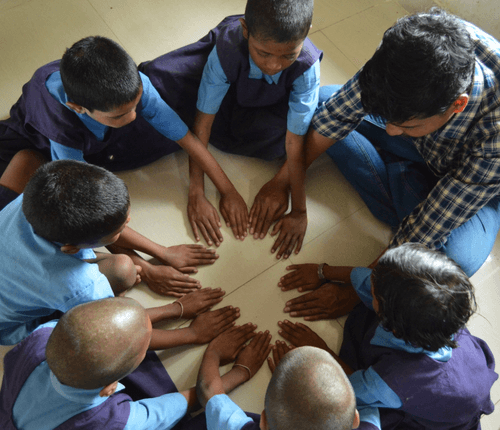
Across the country, educators, parents, school leaders, youth, civil society organizations, and policymakers are stepping forward to reimagine what learning can look like. These changemakers understand that meaningful transformation does not happen in isolation. Instead, it flourishes through collaboration, shared ownership, and sustained commitment. This belief lies at the heart of building a strong Network of changemakers—a community united by purpose and driven by action.
Who Are Changemakers in Education?
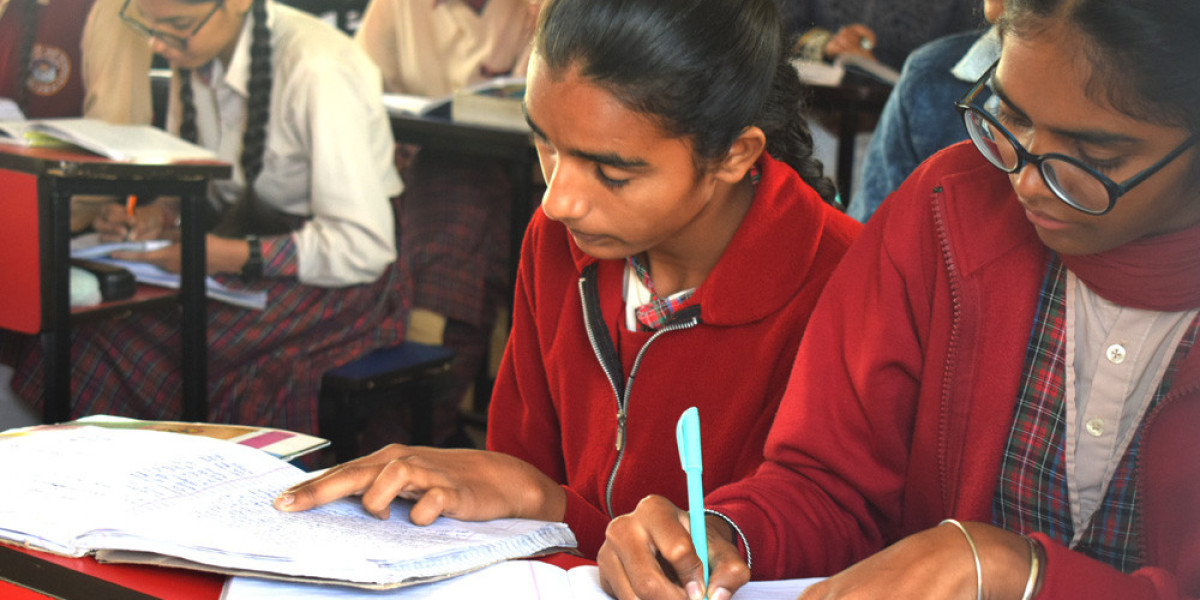
Changemakers in education are not defined by titles or formal roles. They are defined by intent and impact. A teacher who adapts her pedagogy to better support first-generation learners, a district official who prioritizes community engagement in schools, or a young volunteer who mentors students in a government school—all are changemakers in their own right.
What sets them apart is a deep sense of responsibility toward the education ecosystem. They recognize that improving learning outcomes is not just about academic performance but also about equity, well-being, and lifelong learning. These changemakers challenge existing norms, ask difficult questions, and experiment with solutions rooted in local realities.
Why a Network of Changemakers Matters
While individual efforts can spark change, sustained transformation requires collective momentum. A Network of changemakers creates the space for ideas to travel, for learning to be shared, and for action to be amplified. When changemakers come together, they move beyond isolated interventions to systemic impact.
Such networks enable collaboration across sectors—education, health, governance, and livelihoods—acknowledging that children’s learning is influenced by multiple factors. They also help bridge gaps between grassroots realities and policy-level decisions, ensuring that voices from the ground inform larger strategies.
In a complex education system like India’s, networks provide resilience. They allow changemakers to support one another, learn from failures, and sustain motivation over the long term. Most importantly, they cultivate a sense of shared ownership, where improving education becomes a collective mission rather than an individual struggle.
Shikshagraha and the Power of Collective Action
Shikshagraha’s vision of education transformation is rooted in the belief that lasting change emerges when citizens come together with a shared moral purpose. By nurturing a growing Network of changemakers, Shikshagraha enables individuals from diverse backgrounds to collaborate, reflect, and act toward strengthening public education systems.
This network is not about quick fixes or short-term projects. It is about building capacity, trust, and leadership at multiple levels—schools, communities, districts, and states. Changemakers in education within this ecosystem are encouraged to see themselves as part of a larger movement, where every action contributes to a broader narrative of change.
Through dialogue, experiential learning, and partnerships, the network fosters a culture of continuous learning. Changemakers are supported to deepen their understanding of systemic challenges while remaining grounded in local contexts. This balance between the micro and the macro is what enables meaningful, scalable transformation.
Youth as Catalysts in the Network
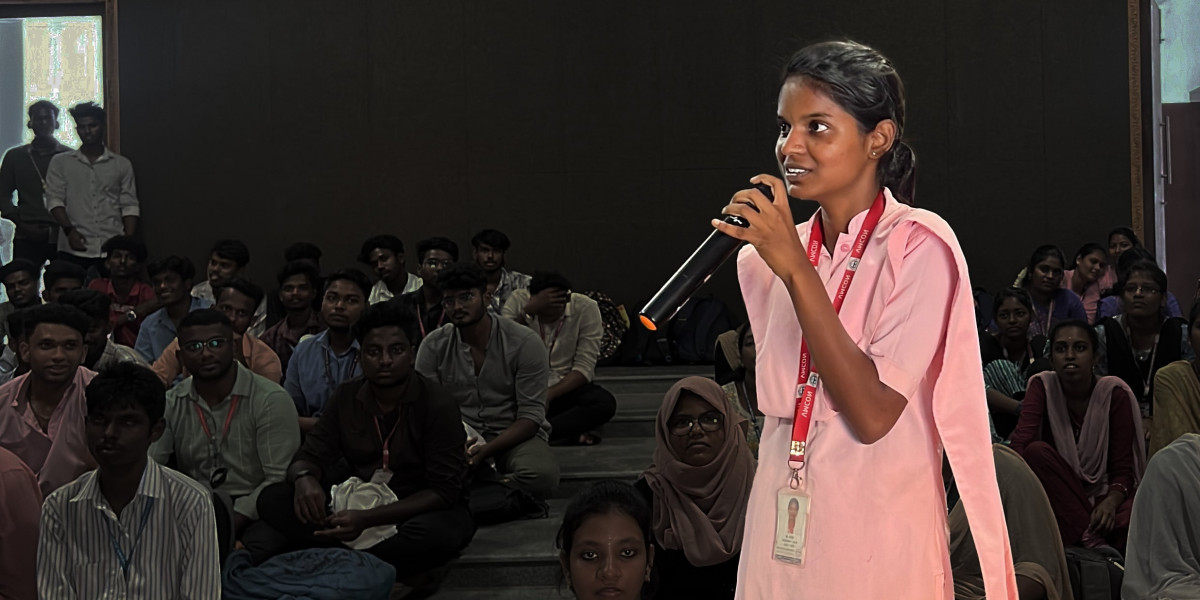
One of the most powerful forces within a Network of changemakers is youth. Young people bring energy, fresh perspectives, and a strong sense of possibility. When empowered with the right opportunities, they become catalysts who question outdated practices and imagine new pathways for learning.
Youth changemakers in education often work closely with communities, developing empathy and leadership skills in the process. Their journeys demonstrate that education transformation is not a distant goal but a lived experience—one that grows through participation and reflection.
Moving from Participation to Ownership
True systemic change occurs when people move from participation to ownership. A strong network encourages changemakers to see education not as someone else’s responsibility but as a shared societal commitment. This shift in mindset is crucial for long-term impact.
As more changemakers in education connect, collaborate, and lead from where they are, the network becomes a living ecosystem—one that adapts, evolves, and strengthens over time. Each story, each effort, and each partnership adds to the collective capacity to reimagine education for all children.
Conclusion: Strengthening the Movement for Education Transformation
India’s education journey is at a defining crossroads. The challenges are complex, but so is the collective potential to address them. Sustainable transformation will not emerge from isolated efforts or short-term solutions—it will grow through people, partnerships, and purpose.
By empowering changemakers in education and strengthening a resilient Network of changemakers, Shikshagraha is contributing to a citizen-led movement that places children, communities, and public systems at the center of change. This approach ensures that transformation is not only scalable but also deeply rooted in local realities.
As the network continues to grow, every educator, youth, parent, and citizen has a role to play. Together, through Shikshagraha’s collaborative platform, changemakers can build an education ecosystem where every child has the opportunity to learn, thrive, and shape a better future—for themselves and for the nation.