
Why Engineers Are Choosing 3D Printing for Prototyping ?
In today’s fast-paced engineering world, innovation and speed are critical. That’s why engineers across industries are turning to 3D printing for their prototyping needs. From automotive giants to aerospace pioneers, 3D printing is revolutionizing the way products are developed and tested. One material that’s pushing the boundaries even further is 3D printed steel — offering strength, precision, and unmatched versatility.
Let’s dive deep into why 3D printing is becoming the go-to choice for engineers worldwide. ?
1. Faster Turnaround Times ⏱️
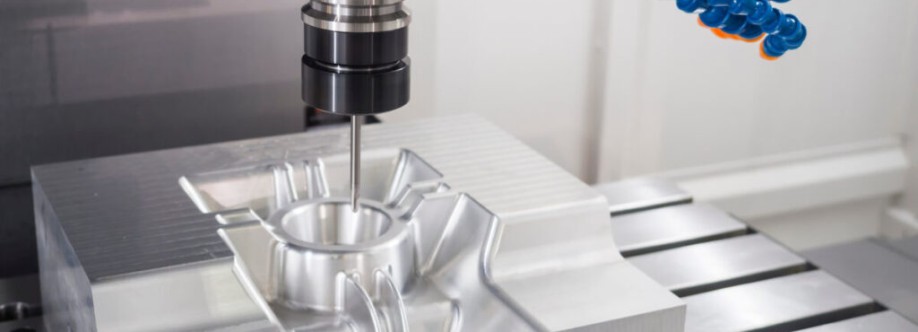
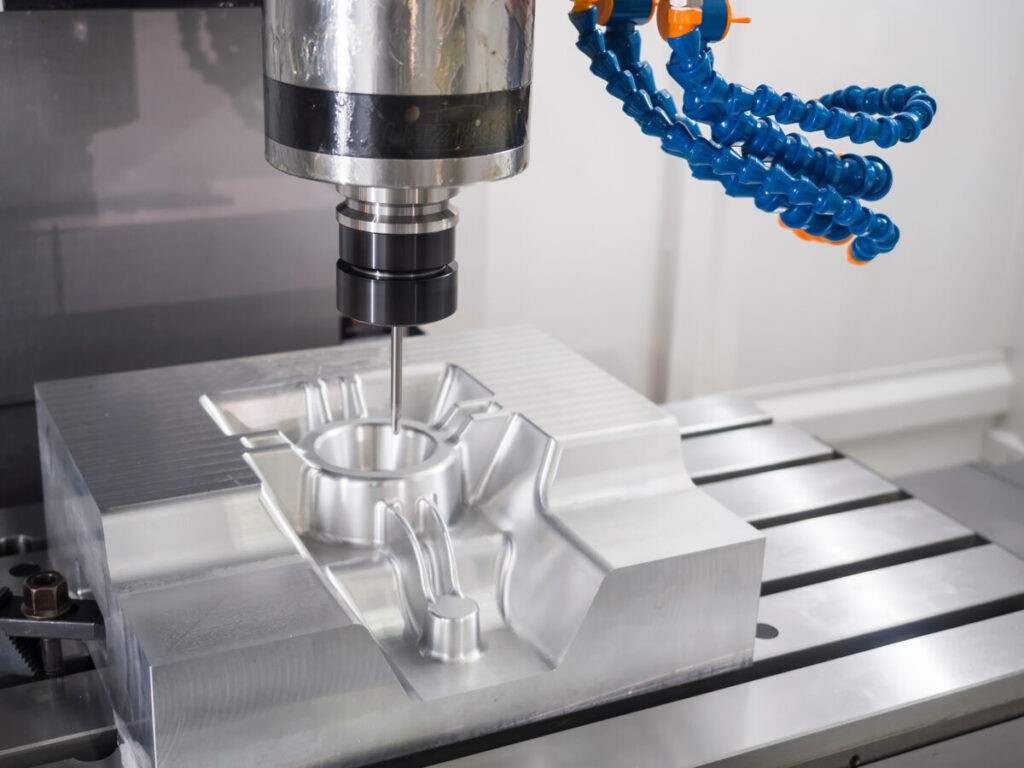
Traditionally, prototyping involved lengthy processes like CNC machining or manual model making, which could take weeks or even months. With 3D printing, engineers can design, print, and test prototypes within a matter of days. This rapid development cycle enables quicker iterations and faster innovation.
? Quick Design Adjustments: Changes can be made instantly to CAD files and reprinted without waiting for complex tooling modifications.
? Reduced Lead Time: Teams no longer have to rely on third-party manufacturers, reducing shipping and production delays.
? Competitive Advantage: By getting prototypes ready faster, companies can bring products to market sooner and stay ahead of competitors.
2. Cost-Effective Prototyping ?
Creating prototypes using traditional manufacturing methods often requires expensive tooling, molds, and manual labor. In contrast, 3D printing slashes these costs dramatically.
? No Expensive Tooling: Prototypes are built layer by layer, eliminating the need for molds and dies.
? Material Efficiency: 3D printers use only the material necessary for the build, minimizing waste.
? Affordable Revisions: Since modifications are digital, it’s cheap to revise designs and reprint without starting from scratch.
Whether you're working with plastics, resins, or 3D printed steel, the cost savings compared to traditional metalworking methods are significant.
3. Greater Design Freedom ?
One of the most exciting advantages of 3D printing is the ability to design without limitations. Engineers can create highly complex geometries that would be impossible or prohibitively expensive with conventional manufacturing.
? Intricate Structures: Complex lattice frameworks, organic shapes, and internal channels are achievable.
? Lightweight Components: Parts can be engineered for maximum strength with minimum weight—perfect for industries like aerospace and automotive.
? Customization: Every prototype can be easily tailored to specific needs without major extra cost.
This freedom enables innovative thinking and experimentation like never before, pushing the boundaries of what’s possible.
4. Material Versatility ?
Today’s 3D printing technologies offer a wide variety of material options, allowing engineers to prototype in materials that mimic the final product.
? Plastics and Resins: Great for initial concept models and fit-testing.
? 3D Printed Steel: Ideal for functional prototypes requiring exceptional strength, durability, and heat resistance.
? Composites and Specialized Alloys: Allow for even more niche applications where specific properties like chemical resistance or flexibility are needed.
The rise of 3D printed steel has been a game-changer for engineers designing load-bearing structures, high-stress components, or parts that require post-processing like welding and machining.
5. Risk Reduction and Early Testing ?
With 3D printing, engineers can test and validate designs earlier in the product development cycle. This greatly reduces the risks associated with launching new products.
? Functional Testing: Working prototypes allow for early performance assessments and failure analysis.
? Design Validation: Engineers can spot design flaws before mass production, saving costly corrections later.
? User Feedback: Real-world testing with prototypes provides valuable feedback for improvements before final release.
The ability to quickly test multiple versions increases confidence in the final design, reducing costly errors and recalls.
6. Sustainability Benefits ?
In a world increasingly focused on sustainability, 3D printing offers a greener alternative to traditional prototyping methods.
? Less Material Waste: Traditional subtractive methods waste material; 3D printing only uses what is needed.
? Localized Production: Reduces the carbon footprint associated with shipping parts across the globe.
? Energy Efficiency: Many 3D printers consume less energy than heavy industrial manufacturing equipment.
Especially when using 3D printed steel, manufacturers can recycle unused metal powder and optimize builds to consume minimal material.
7. Bridging Prototyping and Production ?
Modern 3D printing technologies aren't just for early-stage prototypes anymore — they can bridge the gap to production.
? Low-Volume Manufacturing: Perfect for small production runs without the need for costly tooling.
? On-Demand Production: Parts can be printed as needed, reducing inventory costs.
? Scalable Technology: As demand grows, 3D printing farms and larger industrial printers can meet production needs.
By using 3D printed steel for production parts, companies can produce robust, high-quality components in lower volumes economically — something that was previously impossible without mass production techniques.
Contact Us Today! ?
Ready to explore how 3D printing can revolutionize your prototyping and production processes? ? Whether you're interested in plastic prototypes or advanced 3D printed steel components, our team is here to help you at every step.