
Small Riser Mistakes With Big Consequences
Most deck problems announce themselves slowly but stair problems don’t. A riser that’s off by even a small amount changes how your body moves, and you feel it immediately — especially when you’re carrying groceries, walking fast, or stepping out at night with a porch light behind you. The tricky part is that many stair issues start as “almost right,” then become a daily irritation that people can’t explain until someone takes a tape measure and checks the pattern.
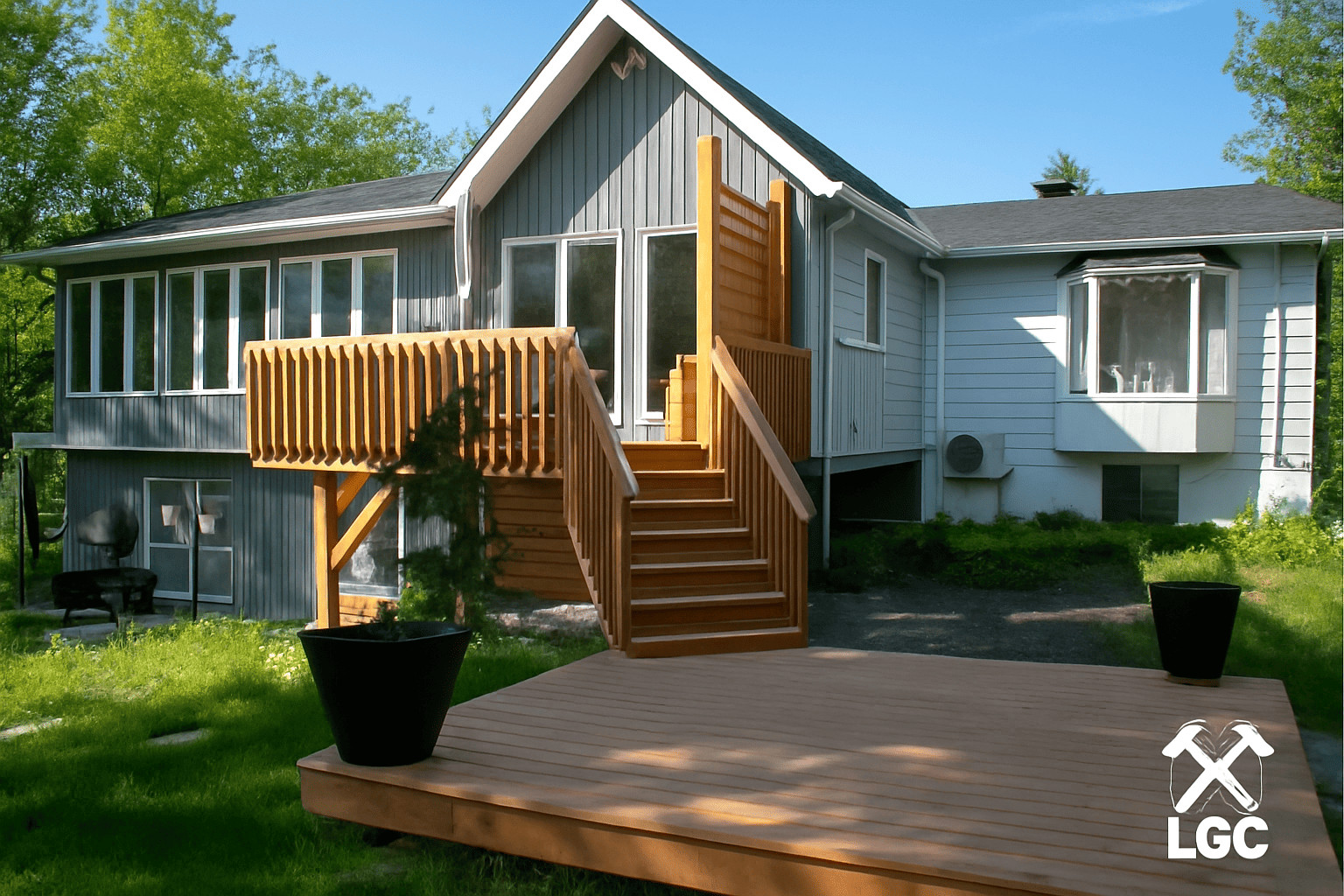
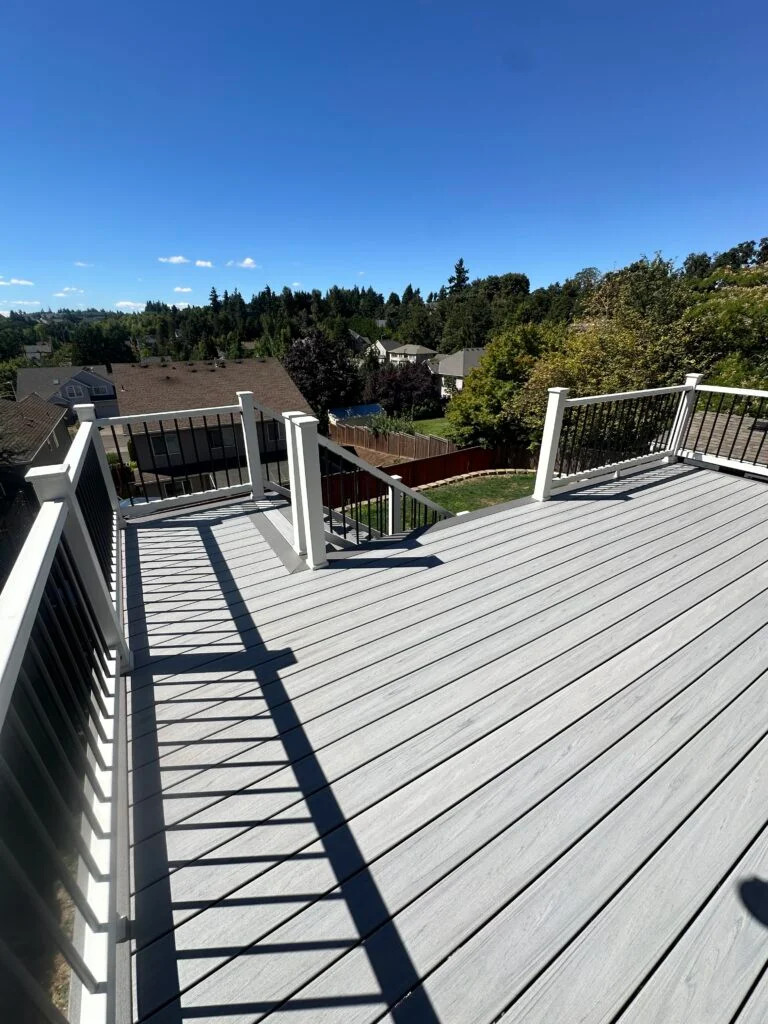
Homeowners planning a deck installation in NW Portland, OR https://lgcremodeling.com/ often focus on surface boards and rail style, but the stair run is where precision matters most. Riser height and tread depth need to stay consistent from the first step to the last, and the consistency has to be measured from finished surfaces, not rough framing. When one riser is taller, the foot lands differently, weight shifts, and the next step becomes a guess. That’s when trips happen: not because the stairs are obviously unsafe, but because the rhythm is broken. Even “close enough” variations add up when you take the same steps dozens of times a week.
Moisture makes those small errors louder over time. When water drains poorly, the same tread stays damp longer, and it can feel slick while the rest of the stair run feels fine. Tight corners at the nosing collect grit and organic debris, and that buildup holds moisture right where feet hit. In shaded areas the drying window gets even shorter, so boards cup, fasteners lift, and edges become sharper. The stairs still look acceptable from a distance, but they start to feel fussy underfoot — people slow down, look down, and stop trusting the path. The connection points amplify it: where the top tread meets the deck surface, where the bottom tread meets a landing, and where stringers meet posts. If any of those transitions settle or twist, you end up with a “surprise” step that’s hard to read in motion.
Good stair work is mostly about controlling variables before they turn into habits. Start by confirming the total rise, then divide it so every riser matches, and keep tread depth consistent so the nose doesn’t change step to step. Build landings that are supported the way they’ll be used, not just how they look on day one, and leave room for seasonal movement without creating gaps that catch toes. Plan water exits so stair treads shed runoff away from the house, protect end grain, and keep the underside ventilated so damp doesn’t linger at joints and hardware. Railings matter here too: a handrail that’s aligned and solid gives people a reliable reference, while a slightly loose post makes the whole stair feel less stable than it is. Before boards go on, crews dry-fit the run, re-check the rise, and confirm that stringers sit flat without forcing the frame. If the math is right but surfaces are out of level, adjust the support — not the risers — so the rhythm stays true. It also helps to think about visibility. Consistent spacing between balusters, a clear first step, and lighting that points at tread edges (not into your eyes) reduce missteps in rain or glare. Those details don’t change the design, but they change how the stairs behave in real use.
If you’re evaluating an existing deck, ask deck construction contractors https://shareyoursocial.com/LG....Cremodeling#google_v to check the stairs early, not as an afterthought. Small riser mistakes are easy to miss during a casual walk-through, but they’re the ones that quietly raise risk and wear out a space that should feel effortless.