

𝐇𝐨𝐰 𝐁𝐢𝐤𝐞 𝐃𝐞𝐬𝐢𝐠𝐧 𝐇𝐚𝐬 𝐐𝐮𝐢𝐞𝐭𝐥𝐲 𝐂𝐡𝐚𝐧𝐠𝐞𝐝 𝐟𝐨𝐫 𝐄𝐯𝐞𝐫𝐲𝐝𝐚𝐲 𝐑𝐢𝐝𝐞𝐫𝐬
At first glance, many modern bikes still look fast. Sleek tubing, internal cable routing, and performance branding suggest race-day DNA. But beneath that aesthetic, something meaningful has shifted. Over the past decade, bike design has quietly evolved to favor stability, comfort, and predictable handling, especially for riders who are not chasing podiums. Whether someone chooses a hybrid bike for commuting, a road bike for fitness, or a gravel bike for mixed terrain exploration, today’s designs increasingly prioritize usability over aggression.
These changes are subtle. They don’t scream for attention. But they make riding more approachable for beginners and more enjoyable for experienced cyclists who simply want a dependable machine they’ll actually use.
𝑮𝒆𝒐𝒎𝒆𝒕𝒓𝒚: 𝑺𝒕𝒂𝒃𝒊𝒍𝒊𝒕𝒚 𝑶𝒗𝒆𝒓 𝑺𝒉𝒂𝒓𝒑𝒏𝒆𝒔𝒔
Historically, performance bikes leaned toward aggressive geometry, steep head angles, shorter wheelbases, and lower stack heights that placed riders in aerodynamic positions. That setup still exists, but it’s no longer the default. Many endurance-focused models now feature slightly longer wheelbases and more relaxed head angles. This increases high-speed stability and reduces twitchy handling. The result? A bike that feels planted rather than nervous.
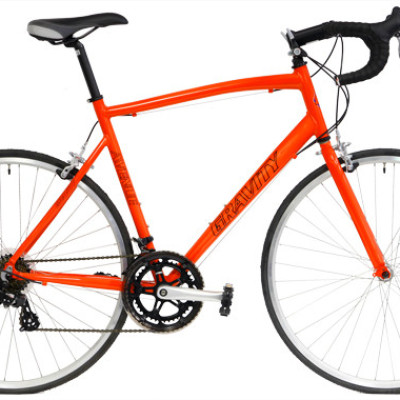
You see this shift clearly in the modern road bike. While race-focused models still exist, a growing segment emphasizes upright positioning and comfort without sacrificing efficiency. The same applies to the contemporary hybrid bike, which blends responsive steering with predictable balance for city streets and fitness rides. For newer riders, this translates to confidence. For experienced riders, it means less fatigue over longer distances.
𝑫𝒊𝒔𝒄 𝑩𝒓𝒂𝒌𝒆𝒔 𝒂𝒔 𝒕𝒉𝒆 𝑵𝒆𝒘 𝑺𝒕𝒂𝒏𝒅𝒂𝒓𝒅
Not long ago, disc brakes were considered specialty equipment. Today, they’re standard across categories. Mechanical and hydraulic disc systems offer improved modulation, stronger stopping power, and consistent performance in wet conditions. This shift affects everything from the endurance-oriented road bike to the versatile gravel bike.
For everyday riders, braking confidence is more than a technical feature. It reduces stress in traffic, improves control on descents, and supports safer riding in unpredictable weather. On a mountain bike, discs have long been essential. Now their widespread adoption reflects a broader industry recognition: reliability matters more than minimal weight savings. Disc brakes also allow for wider tire clearance, which brings us to another quiet revolution.
𝑾𝒊𝒅𝒆𝒓 𝑻𝒊𝒓𝒆𝒔 𝑨𝒄𝒓𝒐𝒔𝒔 𝒕𝒉𝒆 𝑩𝒐𝒂𝒓𝒅
Wider tires were once confined to off-road categories. Today, even pavement-focused models increasingly support larger widths. A modern road bike that once maxed out at 23mm tires now often accommodates 28mm or wider. The benefits are measurable: improved comfort, better traction, and reduced rolling resistance at appropriate pressures. The evolution is even more pronounced on a gravel bike, where clearance for wide, treaded tires enables riders to confidently transition from asphalt to dirt. Meanwhile, the comfort-oriented hybrid bike continues to balance rolling efficiency with cushioning for uneven urban surfaces.
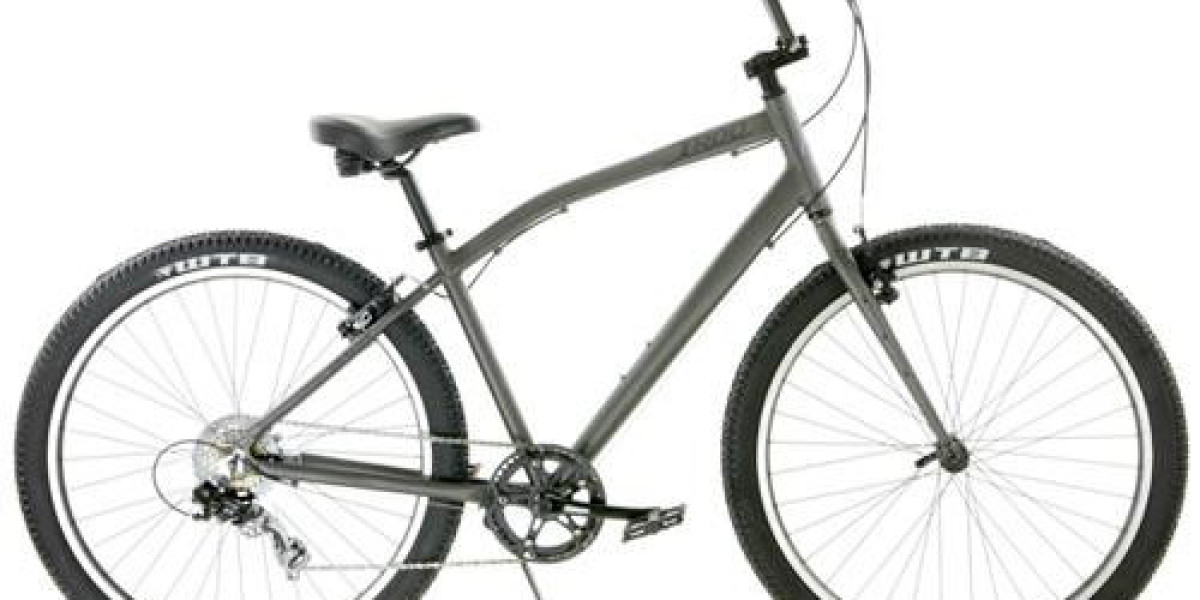
Even the recreational beach cruiser has benefited from improved tire construction, offering a smoother ride along boardwalks and neighborhood streets. At the extreme end, the fat bike remains purpose-built for sand and snow, but its popularity has reinforced a simple principle: traction and comfort expand where and when people can ride. Wider tires are not a compromise. They’re an acknowledgment that real-world roads are imperfect.
𝑭𝒓𝒂𝒎𝒆 𝑴𝒂𝒕𝒆𝒓𝒊𝒂𝒍𝒔 𝒂𝒏𝒅 𝑪𝒐𝒎𝒑𝒍𝒊𝒂𝒏𝒄𝒆Beyond geometry and tires, manufacturers have refined frame design to improve compliance, the subtle flex that absorbs vibration. Aluminum frames now incorporate shaping techniques that reduce harshness without sacrificing durability. Carbon layups are engineered for vertical compliance while maintaining lateral stiffness. Even entry-level builds often reflect lessons learned from high-performance engineering. This matters because comfort encourages frequency. A bike that dampens road chatter will be ridden more often than one that transmits every imperfection. Across categories, from the urban-ready hybrid bike to the trail-focused mountain bike, these refinements help everyday riders finish longer routes feeling fresher.
𝑰𝒏𝒕𝒆𝒈𝒓𝒂𝒕𝒊𝒐𝒏 𝑾𝒊𝒕𝒉𝒐𝒖𝒕 𝑪𝒐𝒎𝒑𝒍𝒆𝒙𝒊𝒕𝒚
Modern bikes also benefit from cleaner integration: internal routing, compact drivetrains, and simplified cockpit setups. But the goal has shifted from aesthetic minimalism to practical durability. Drivetrain systems are increasingly designed to provide wide gearing ranges without overwhelming maintenance requirements. A gravel bike with a 1x drivetrain simplifies shifting. A recreational road bike may favor endurance gearing over ultra-tight race ratios. A fat bike emphasizes durability in harsh conditions. For riders who care less about marginal gains and more about dependability, these changes reduce friction, both mechanical and psychological.
𝑪𝒐𝒏𝒕𝒓𝒐𝒍 𝒇𝒐𝒓 𝑴𝒊𝒙𝒆𝒅 𝑻𝒆𝒓𝒓𝒂𝒊𝒏 𝑹𝒊𝒅𝒊𝒏𝒈
One of the most significant cultural shifts in cycling is the embrace of mixed terrain. Riders are no longer limiting themselves to a single surface. Designers have responded with longer chainstays for stability, flared handlebars for control, and mounting points for racks or bags. The contemporary gravel bike embodies this philosophy, but its influence reaches into the endurance road bike segment and even into certain hybrid bike models. This versatility lowers barriers. Riders don’t need separate machines for commuting, fitness, and exploration. A well-designed platform can support multiple roles.
𝑪𝒐𝒏𝒇𝒊𝒅𝒆𝒏𝒄𝒆 𝒇𝒐𝒓 𝑵𝒆𝒘 𝑹𝒊𝒅𝒆𝒓𝒔
For someone new to cycling, subtle design details can determine whether they ride once or ride regularly. An upright position reduces neck strain. Wider tires improve balance. Disc brakes inspire trust. Stable geometry minimizes overcorrection. A casual rider choosing a beach cruiser values ease and comfort over speed. A weekend adventurer selecting a mountain bike wants predictable handling on trails. A commuter considering a hybrid bike seeks control in traffic. Modern bike design recognizes these realities. The emphasis has shifted from impressing competitors to supporting consistency.
𝑷𝒓𝒂𝒄𝒕𝒊𝒄𝒂𝒍 𝑰𝒏𝒏𝒐𝒗𝒂𝒕𝒊𝒐𝒏 𝑾𝒊𝒕𝒉𝒐𝒖𝒕 𝒕𝒉𝒆 𝑯𝒚𝒑𝒆
The evolution of everyday bike design is not dramatic. It is incremental and deliberate. Disc brakes becoming universal. Tire clearance expanding quietly. Geometry softening just enough to enhance control. These changes are not marketing gimmicks. They are responses to how people actually ride.
For riders evaluating options, doing a thoughtful price comparison now often reveals that comfort-focused features are available across a wide spectrum of builds. Stability and durability are no longer premium add-ons; they are integrated expectations. The result is a marketplace where more riders can find equipment aligned with their real-world needs.
𝑨 𝑩𝒆𝒕𝒕𝒆𝒓 𝑭𝒊𝒕 𝒇𝒐𝒓 𝑹𝒆𝒂𝒍 𝑳𝒊𝒇𝒆
Bikes are increasingly designed to integrate into daily routines. They support commuting, fitness, exploration, and relaxation without demanding elite athleticism. Whether someone gravitates toward a road bike for long pavement rides, a gravel bike for mixed terrain routes, a hybrid bike for commuting, a mountain bike for trails, a fat bike for sand and snow, or a beach cruiser for relaxed neighborhood spins, today’s designs make those experiences more accessible.
Those interested in learning more can explore the available categories through the retailer’s collections of hybrid bike, gravel bike, road bike, fat bike, beach cruiser, and mountain bike models. Additional information is available on their About Us page, detailed answers in the FAQ section, and direct inquiries can be made via their Contact page. The quiet redesign of everyday bikes reflects a simple truth: riders value comfort, control, and reliability. And the bikes of today are built accordingly.
https://www.bikesdirect.com/ro....ad-bikes-online-sale
https://www.bikesdirect.com/gr....avel-bikes-online-sa