


@Business_History



Fall of Faraday Future | Business History
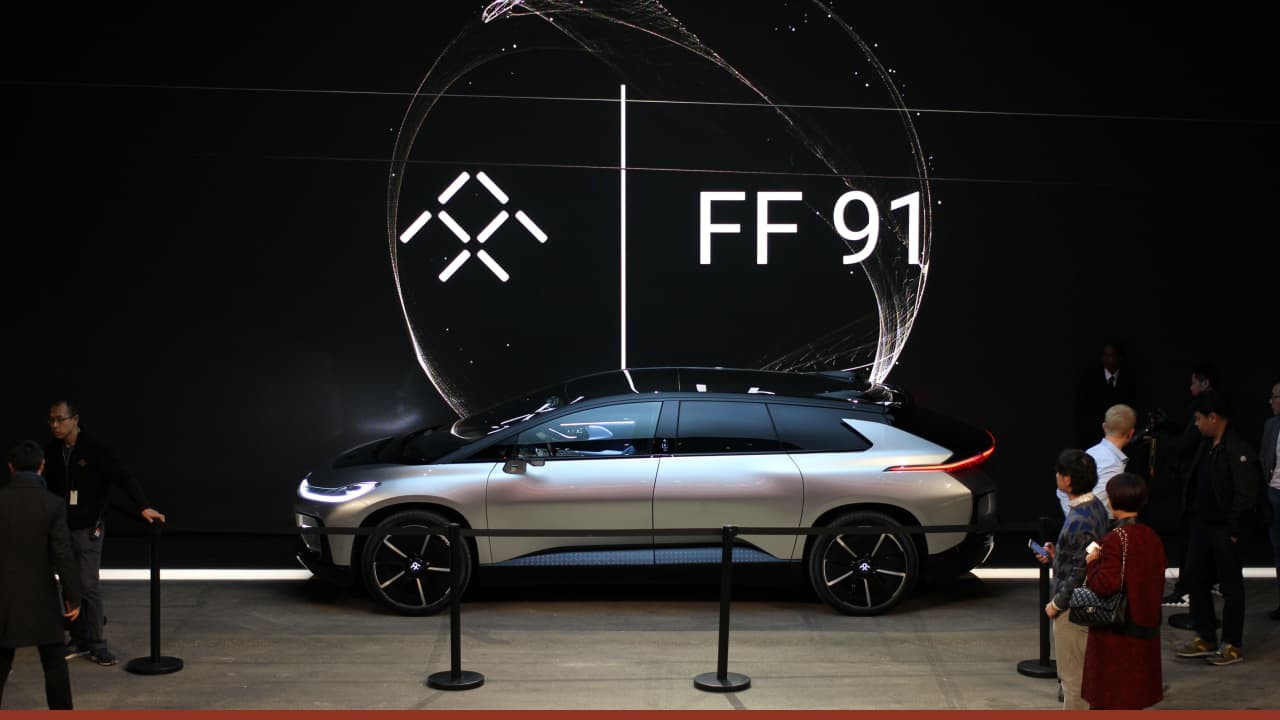
Back in 2014, Chinese tech entrepreneur Jia Yueting, Faraday Future, promised a smartphone on wheels. The FF91, a futuristic electric SUV, claimed a 0-60 mph time of under 2.5 seconds and a range of over 370 miles. It was marketed as the "Tesla killer." Faraday did everything, dramatic reveals and big-name hires from Apple, BMW, and Tesla itself. They envisioned AI-powered co-pilots that learned your driving habits.
Read More!
https://www.businesshistory.co..../archives/silicon-va
The fire that freed Alexa | Business History
Jeff Bezos recognized the potential in a voice recognition feature in the Fire Phone prototype and instructed his team to develop a cloud-based voice assistant. This project eventually led to the creation of Alexa, which debuted in the Echo in late 2014. Alexa emerged from that failure, eventually powering over 100Mn devices.
His approach involves failing quickly, learning from mistakes, and reallocating energy toward promising ideas. With the rise of generative AI tools like ChatGPT and more advanced iterations of Siri and Google Assistant, Amazon is once again at a crossroads. Will Alexa's current limitations spark another reinvention?
Read More!
https://www.businesshistory.co..../archives/chaos-monk

Modularity and its defects | Business History
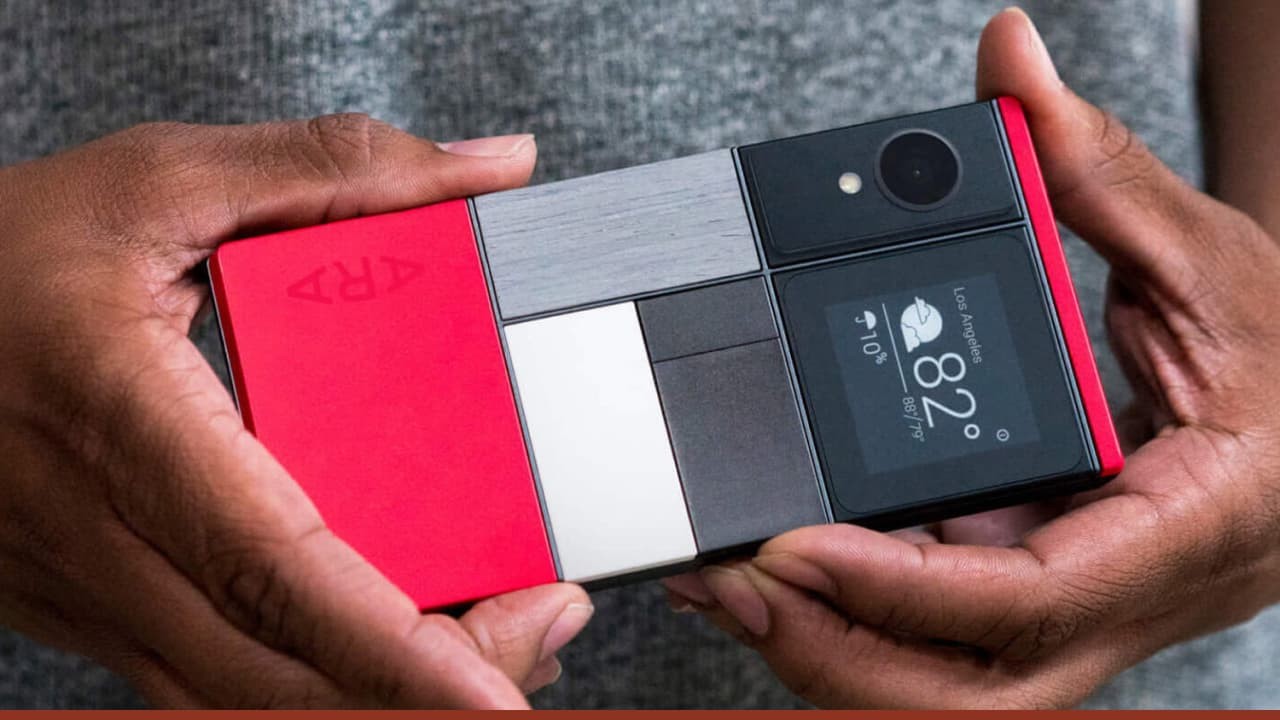
In September 2013, Dutch designer and Design Academy Eindhoven graduate Dave Hakkens had a radical idea. The idea was called Phonebloks, a modular smartphone that lets you swap out individual components instead of replacing the entire device. Each part, camera, battery, storage, and processor, would be a separate chip-like “block” that slides into a baseboard, or “endoskeleton.”
https://www.businesshistory.co..../archives/silicon-va


Crop your avatar