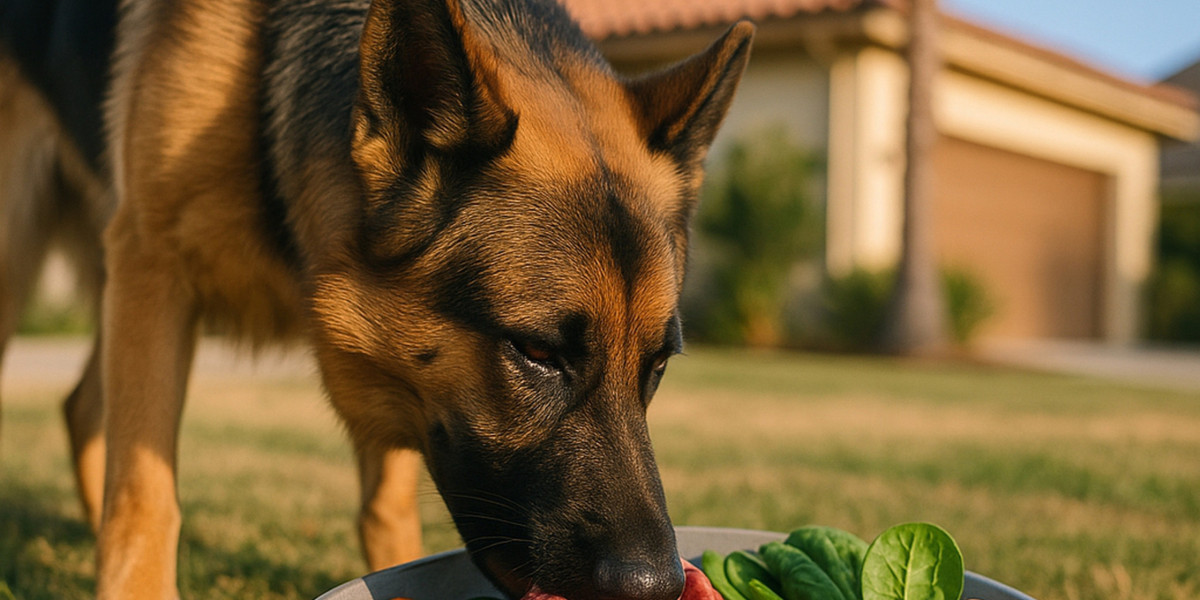

Managing a diabetic dog’s daily meals requires care planning and a deep understanding of how food affects blood sugar. A stable diet ensures consistent energy levels and healthier body functioning throughout the day. Many dogs are naturally attracted to sweet flavors but do not understand the impact these foods have on their health. As responsible owners it becomes our duty to guide their diet with safer options. The right meal plan can prevent spikes in sugar levels and contribute to overall wellness while keeping their appetite satisfied. Selecting the Best Diabetic Dog Food often becomes the first major step in creating a balanced and supportive routine for long term health.
Nutritional Foundation For Diabetic Dogs
A strong nutritional base begins with high quality proteins that support muscle strength vitality and immune balance. Ingredients such as chicken turkey and fish provide clean easily digestible protein that helps maintain lean muscle mass. Many diabetic dogs also benefit from vegetables that do not contain heavy starch. These include green beans cauliflower spinach Brussels sprouts and broccoli. These vegetables help regulate sugar absorption because of their low glycemic impact.
Fiber also becomes extremely important in a diabetic diet. Foods like pumpkin carrots leafy greens and sweet potatoes contribute to slower sugar release which keeps levels steady across the day. Healthy fats such as those found in flaxseed and fish oil further support metabolic function and promote better skin and coat health. All these components combined can create a steady and nourishing foundation for dogs needing strict dietary support.
Wet Food Considerations For Diabetic Dogs
Wet food can be helpful because its moisture content keeps the body hydrated and supports better digestion in dogs with diabetes. It typically contains carefully measured carbohydrates that assist with sugar control and also allow owners to manage portion sizes more easily. The texture of wet food can be appealing to picky eaters who require more encouragement to maintain a consistent routine.
At the same time Canned Meals can be more costly than dry formulas. Storage also requires attention because once opened the food must be refrigerated and used within a short period. Dogs that prefer variety may either enjoy wet food more or may quickly lose interest and waste meals. Every owner should evaluate these factors before choosing a wet diet for daily use.
Feeding Decisions Based On Dog Preferences
Every dog expresses different reactions to tastes and textures. Some enjoy soft moist food while others prefer crunchy dry kibble. Paying attention to your dog’s natural preferences helps avoid food waste and supports steady eating habits. A diabetic dog must eat regularly and consistently so selecting a style they enjoy becomes essential.
Convenience also matters for owners especially those with busy schedules. Dry food is easier to store lasts longer and works well for structured meal timing. Wet food requires more attention but may offer better comfort for dogs with mouth sensitivity or dental issues. Evaluating both options helps owners create a routine that suits their lifestyle and their dog’s health condition.
Health Considerations Beyond Diabetes
Many diabetic dogs also experience additional health concerns such as kidney conditions or dental sensitivity. Dogs facing gum discomfort often prefer soft textures available in wet diets. Those requiring weight control may benefit from leaner dry formulas. The final choice must respect all health conditions to ensure a safe and supportive diet.
Top 4 Food Options For Diabetic Dogs
Orijen Fit And Trim
This formula focuses on natural ingredients sourced from animal proteins. The combination of chicken turkey fish and nutrient rich organs helps maintain strong muscles and balanced energy. Low glycemic carbohydrates like lentils reduce sudden sugar spikes while pears cranberries and leafy vegetables supply antioxidants. Additional components such as prebiotics probiotics and glucosamine support digestion immunity and joint flexibility making it a complete option for long term health.
Wellness Core Grain Free Ocean
This meal is designed with real fish as the primary protein source supporting lean muscle and a healthy metabolism. It excludes grains which makes it easier for diabetic dogs to digest while maintaining a controlled carbohydrate level. Essential fatty acids from fish and flaxseed help skin and coat health while probiotics and glucosamine support digestion and joint care. It is a balanced choice for dogs needing nutritional precision.
Keto Natural Ketona
This food is crafted for dogs requiring lower carbohydrate intake and higher protein support. The formula is primarily made with salmon or chicken providing steady energy without harsh sugar fluctuations. Natural fiber improves digestion and helps overweight dogs manage their weight more effectively. This option works well for controlled diets but must be measured carefully especially for very large dogs that may need additional nutrients.
Royal Canin Glycobalance
This specialized formula focuses on low starch and high protein to manage blood sugar effectively. It supports lean muscle development and stabilizes sugar variations throughout the day. The ingredients are calculated with precision making it ideal for dogs requiring strict dietary management. Although chicken by product meal is used the nutritional value remains high and targeted for diabetic needs.
Conclusion
Choosing the right food for a diabetic dog requires careful examination of nutrition texture convenience and overall health support. A balanced meal encourages steady blood sugar levels improved energy and a healthier daily routine. Whether a dog is newly diagnosed or already managing diabetes the right diet plays a powerful role in long term quality of life. Owners should always consult their veterinarian and monitor their dog’s response to any new food plan.
FAQs
Q1. What makes diabetic dog food different?
It contains controlled carbs higher protein and steady nutrients that support balanced sugar levels.
Q2. Can wet food be used for diabetic dogs?
Yes it can help hydration but must be stored carefully and used within safe time limits.
Q3. How can I tell if a diet is helping my diabetic dog?
Improved energy stable appetite and balanced sugar readings indicate better dietary response.
Q4. Should diabetic dogs eat at fixed times?
Yes scheduled meals help maintain smoother blood sugar throughout the day.
Q5. Can supplements help diabetic dogs?
Some supplements may support metabolism but should only be used after veterinary guidance.