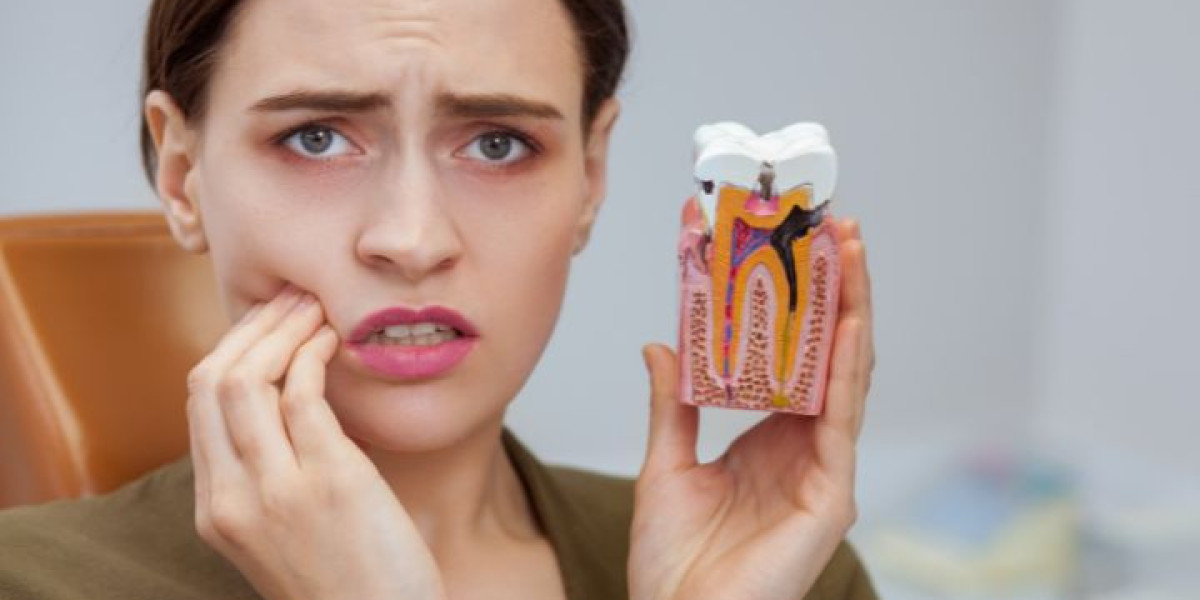

Dental emergencies can happen when you least expect them. One moment, you’re enjoying a meal, and the next, you’re dealing with a cracked tooth or a lost filling. These situations can be painful, stressful, and require urgent attention. Understanding what to do in the moment and how to access emergency dental care can make all the difference in saving your tooth and easing discomfort.
Understanding a Cracked Tooth
A cracked tooth isn’t always as obvious as it sounds. Some cracks are invisible to the naked eye but can cause significant pain or sensitivity, especially when chewing or when exposed to hot or cold temperatures.
Cracks can result from a range of issues including:
- Biting down on hard foods (like nuts or ice)
- Teeth grinding (bruxism)
- A blow to the mouth or jaw
- Age-related wear and tear
The severity of the crack will determine the treatment required. Minor cracks may only need bonding or a filling, while deeper fractures could necessitate a crown or even a root canal. In extreme cases, tooth extraction might be the only viable solution.
Regardless of the cause, it’s crucial to seek emergency dental attention as soon as possible. Leaving a cracked tooth untreated can allow bacteria to enter the tooth pulp, leading to infection or abscess.
Dealing with a Lost Filling
Fillings can fall out due to decay under the filling, wear over time, or trauma to the tooth. While it might not always hurt immediately, a lost filling exposes the vulnerable inner structure of the tooth, leaving it at risk for infection, further decay, or breakage.
If you lose a filling:
- Rinse your mouth with warm saltwater to keep the area clean.
- Avoid chewing on that side of your mouth.
- Use dental wax or temporary filling material (available from chemists) to protect the area until you can see a dentist.
- Book an emergency dental care appointment without delay.
Leaving a tooth exposed after a filling has fallen out can rapidly lead to more serious issues, including nerve damage or the need for more complex dental procedures.
When to Seek Emergency Dental Care
Not every dental issue requires emergency treatment, but the following symptoms are clear signs you need to seek immediate help:
- Severe, unrelenting toothache
- Visible cracks or chips in teeth
- Loss of a filling or crown
- Bleeding that won’t stop
- Swelling in the mouth, gums, or face
- Signs of infection (e.g. pus, fever)
In any of these scenarios, emergency dental care can provide quick relief and prevent the condition from worsening.
Emergency Dental Solutions Available in Australia
Australia is well-equipped with services and clinics that offer emergency dental treatment. Many dental clinics across cities and regional areas provide after-hours appointments or same-day services for urgent issues.
Here are some common emergency dental procedures for cracked teeth or lost fillings:
- Dental Bonding: For small cracks or chips, bonding with tooth-coloured resin can restore the tooth’s appearance and function.
- Dental Crowns: Larger cracks may require a crown to cap the damaged tooth, protecting it from further harm.
- Root Canal Treatment: If the crack has reached the pulp of the tooth, a root canal may be necessary to remove infected tissue and save the tooth.
- Filling Replacement: Lost fillings are typically replaced with new composite or amalgam materials during an emergency visit.
- Temporary Fillings: In cases where a full repair can’t be done immediately, temporary fillings may be applied to stabilise the tooth until a follow-up appointment.
Cost and Accessibility
Emergency dental services in Australia can vary in cost depending on the treatment required and whether you are a public or private patient. Public dental clinics may offer emergency appointments, but they often have longer wait times and limited availability.
Private dental practices tend to have more flexible scheduling, and many offer interest-free payment plans for urgent care. If you hold private health insurance with dental extras, some or all of your emergency treatment costs may be covered.
For those without insurance, it’s advisable to discuss pricing upfront with the clinic to avoid any unexpected expenses.
Preventing Future Dental Emergencies
While accidents can't always be avoided, there are steps you can take to reduce the risk of dental emergencies:
- Wear a mouthguard during contact sports
- Avoid chewing hard foods like ice, popcorn kernels, or hard lollies
- Address teeth grinding with a night guard if needed
- Attend regular dental check-ups to catch issues early
- Maintain good oral hygiene to prevent decay and preserve existing dental work
Summary
Whether it’s a cracked tooth or a lost filling, acting quickly can prevent pain and protect your oral health. Knowing when to seek emergency dental care and understanding the available solutions empowers you to handle dental emergencies with confidence. Don’t ignore warning signs or attempt to tough it out—your teeth won't heal on their own. Timely treatment not only saves your smile but can also save you from more expensive and invasive procedures down the track. If you're ever in doubt, contact your local emergency dental clinic and describe your symptoms. A quick call could be the first step towards relief and recovery.